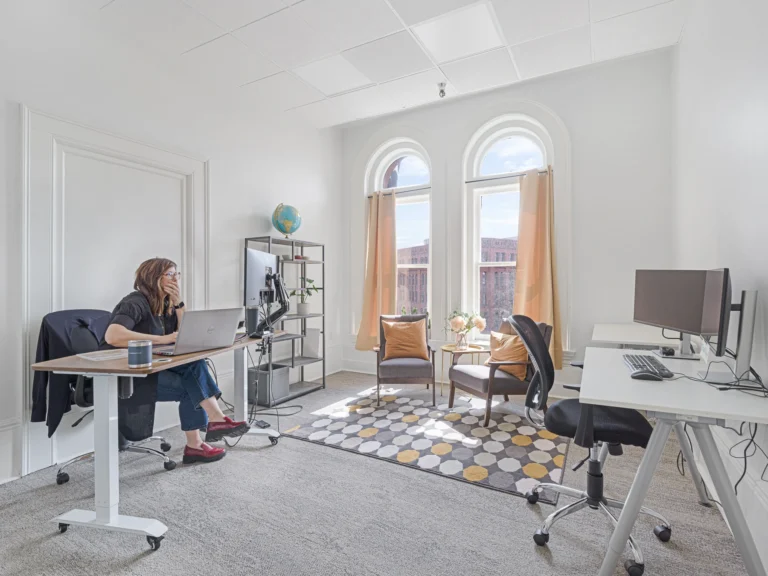
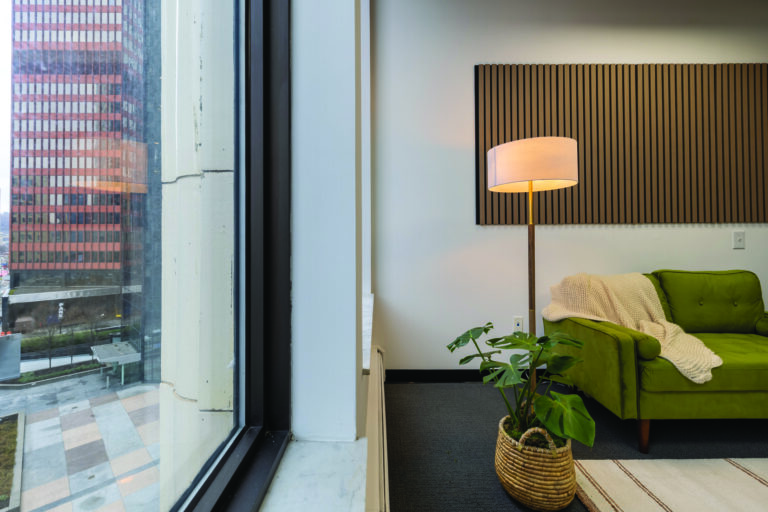
The Future is Flexible: A Smarter Office Space Strategy

The role of the office has fundamentally changed. What was once a long-term, fixed commitment is now a strategic decision shaped by flexibility, cost discipline, and evolving ways of working. Today, companies are rethinking their workspace strategy as a smarter, more efficient tool, not just a static obligation.
As organizations adapt to hybrid teams, fluctuating headcount, and evolving market demands, flexible office space has emerged to support focus, collaboration, and growth without unnecessary risk.

Office Space Without Overcommitment
For many companies, traditional office ownership or long-term agreements no longer fit the needs of their teams. Predicting headcount years in advance is difficult, and locking capital into space that may not be relevant in three to five years can create friction.
Flexible workspace offers a clear alternative. Companies can access professional offices without long-term exposure, benefit from predictable monthly costs, and move into spaces that are ready when employees need them. By reducing upfront investment and long-term commitments, businesses gain the freedom to allocate resources where they matter most: people, strategy, and growth.

The Coworking Boom
Flexible workspace is no longer a niche option, it’s a strategic part of modern business infrastructure. Consider the numbers: in the U.S., there are now nearly 8,900 active coworking locations, representing roughly 159 million square feet of office space, and that footprint continues to grow quarter after quarter. Despite this expansion, flexible offices still make up about 2–2.2% of total U.S. office inventory, leaving plenty of room for the continued growth of this industry.
Globally, more than 55% of corporations now integrate flexible workspace into their real estate planning. The worldwide coworking user base includes 5.5–6 million workers, spanning startups, freelancers, and corporate Fortune 500 teams alike.
Looking ahead, analysts expect that growth to continue. Globally, the flexible workspace market was valued at nearly $21 billion in 2025, with projections pointing toward $58 billion+ by the early- to mid-2030s, driven by continued hybrid adoption, corporate integration, and broader geographic expansion.
Even as coworking becomes more established, demand patterns are evolving. Suburban and secondary markets are expanding faster than urban cores, highlighting how distributed workforces are reshaping where and how companies allocate space.
Together, these trends show that coworking isn’t just growing, it’s becoming a core component of workplace strategy, with sustained adoption and future momentum that reflect both how organizations work today and how they expect to work tomorrow.
Spaces Designed for How Work Really Happens
Companies are using flexible workspace to establish regional or satellite offices, support hybrid and distributed teams, scale space alongside growth, and stay agile as business needs evolve.
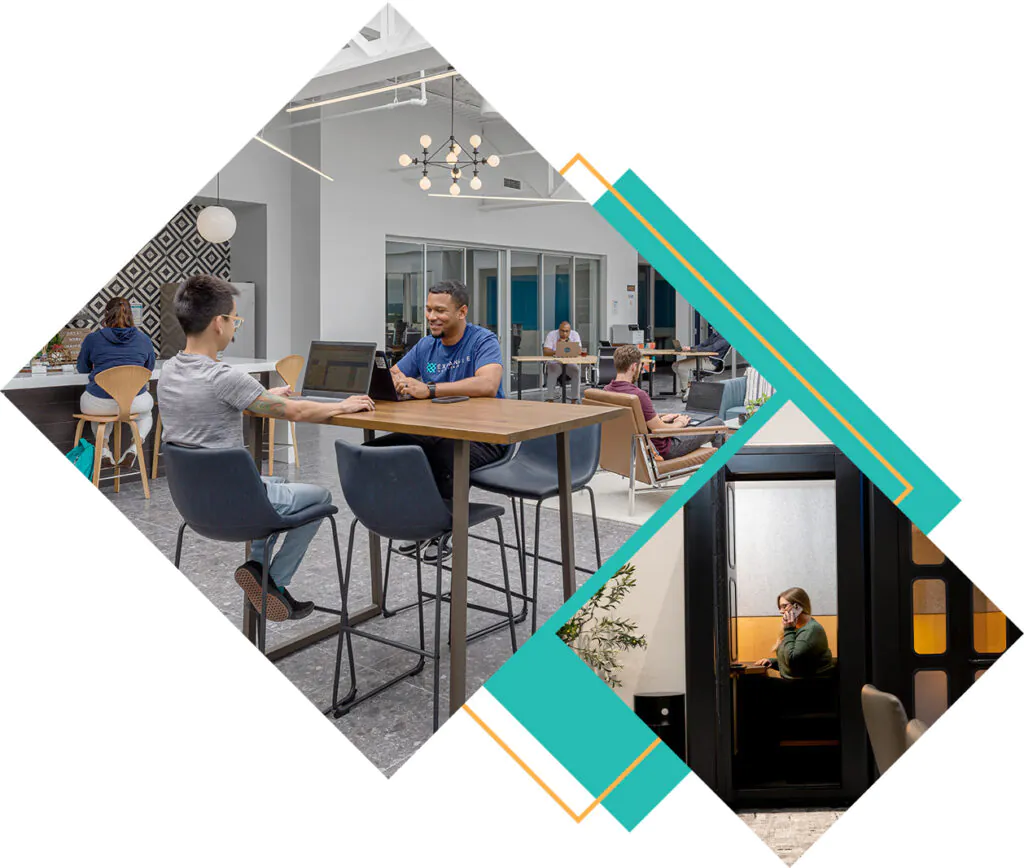
However, not all flexible workspaces are created equally … Expansive is designed for teams that demand more than just a desk. Our spaces bring together focus-friendly design, professional meeting environments, and thoughtful hospitality, delivered consistently across 30+ markets. Every location prioritizes reliability and productivity, so teams can settle in quickly and do their best work: no compromises, no guesswork.
Flexibility Without Compromise
The best workspaces remove barriers instead of creating them. Long build-out timelines vanish, capital expenses shrink, and teams are freed from managing facilities, all while maintaining the professionalism of a traditional office space environment.
This approach allows companies to stay focused on their growth, and remain confident that their workspace can evolve as quickly as they do.
A Smarter Way Forward
The coworking industry has matured. Flexible workspace is no longer experimental; it has become a strategic, financial, and operational advantage. Companies no longer need to choose between commitment and adaptability — they can have both.
When office space works the way it should, it fades into the background in the best way possible: dependable, professional, and ready to support meaningful work.
At the end of the day, great work happens here. Find your place at Expansive.