Flexible Consult-Only Office Space for Telehealth Medical Professionals
With the healthcare landscape constantly shifting, telehealth and consultation-based care models are becoming more standardized. Yet many medical professionals find themselves locked into traditional medical leases built around exam rooms and procedures they don’t actually use.
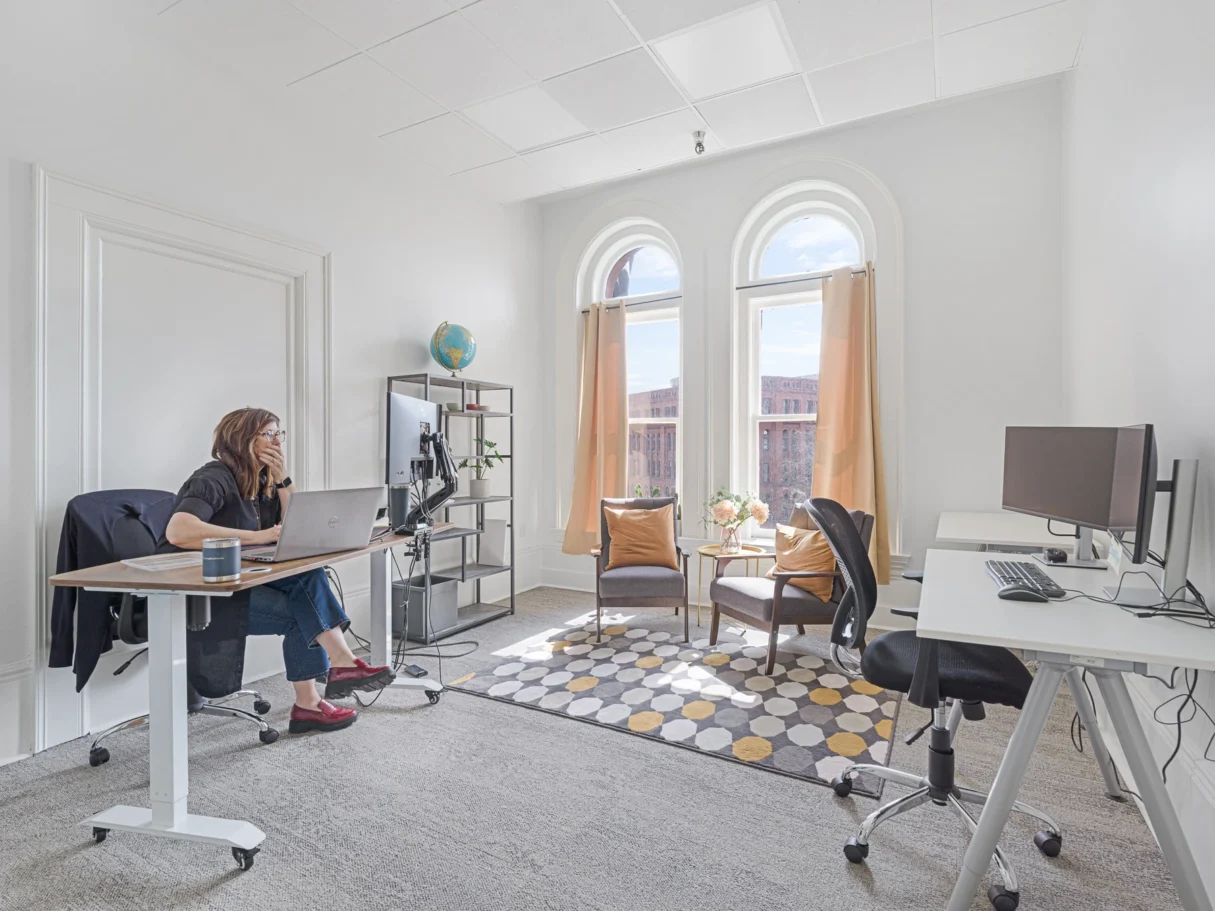
Consult-only office space offers a practical alternative. Many medical professionals can deliver high-quality care without clinical office buildouts, treatment rooms, or specialized infrastructure. That’s why many providers are moving away from traditional medical office leases and toward flexible, turnkey solutions like Expansive. With affordable month-to-month terms, professional spaces that are ready from day one, and none of the overhead of a traditional medical buildout, Expansive makes it easy to find office space that better suits your practice.

Why Consult-Only Offices Make Sense for Modern Medical Providers
Traditional medical office leases come with significant challenges:
- High overhead costs
- Long-term commitments (often 5-10 years)
- Unnecessary clinical space or wrong mix of amenities
- Expensive buildouts for exam rooms that often go unused

Consult-only office space provides a practical alternative for providers who focus on telehealth, evaluations, and non-procedural patient care. These are fully enclosed private offices designed for confidential patient consultations, not shared or open coworking environments.
The right consult-only office supports privacy, flexibility, professional credibility, and affordability without sacrificing the quality of care you provide.
What “Consult-Only” Medical Services Typically Involve
Consult-only services focus on evaluation, guidance, and decision-making rather than physical exams or procedures. Common activities include:
- Patient intake and medical history review
- Diagnosis discussions
- Treatment planning and recommendations
- Follow-up consultations
- Care coordination
- Second opinion evaluations
- Medication management reviews
These services may be delivered in person or via telehealth from a private, professional office. What they don’t involve is hands-on treatment, clinical procedures, or exam-room requirements.
Why Exam Rooms and Full Clinical Buildouts Aren’t Always Necessary
Many consult-based medical services simply don’t require physical exams or procedures. If your practice centers on evaluation, guidance, and virtual care, the specialized infrastructure, such as exam rooms, sinks, medical gas lines often sit unused.
This reduced space requirement translates directly to lower upfront construction and buildout costs. A private consult office can be move-in ready, while a traditional medical suite might require tens of thousands of dollars in renovations before a provider can see their first patient.
Medical office space should align with how care is actually delivered, not legacy medical models that assume every provider needs clinical infrastructure.
Privacy and Confidentiality Considerations for Patient Consultations
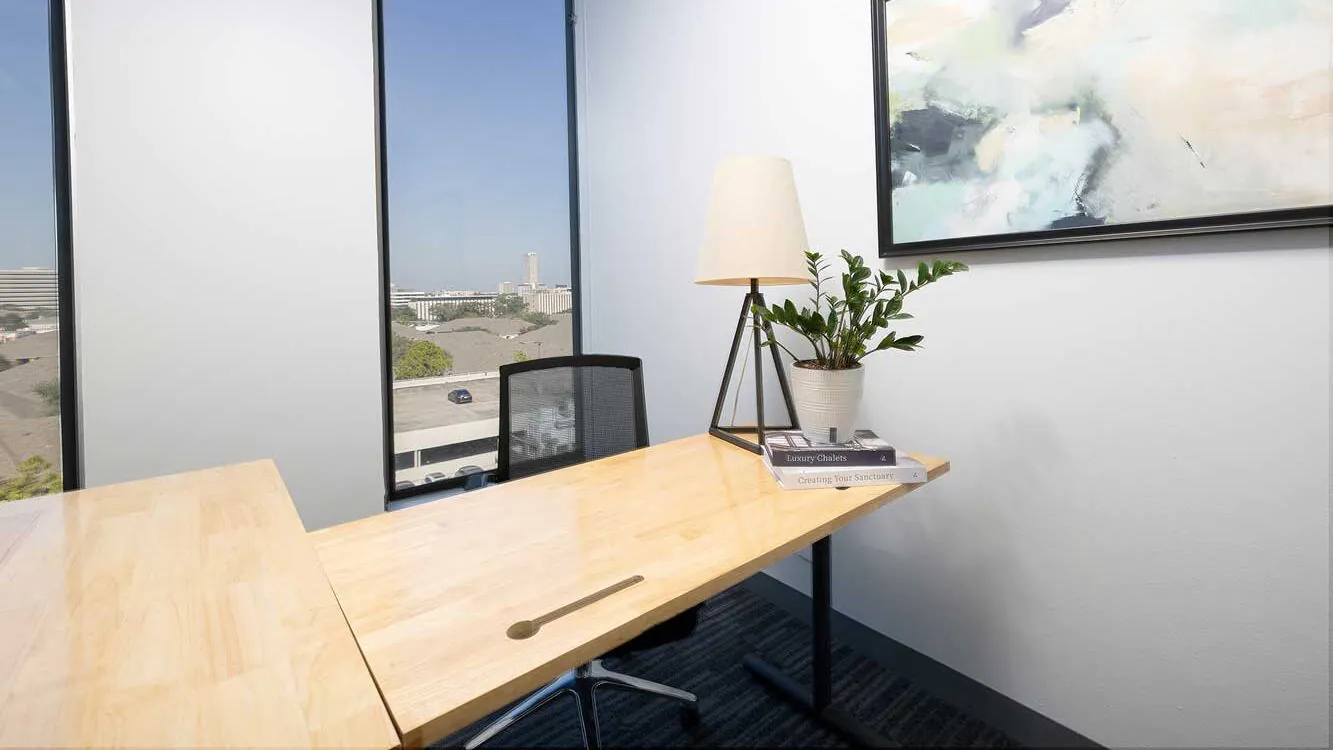
Patient privacy isn’t negotiable, it’s a HIPAA requirement. Whether consultations are conducted in person or via telehealth, fully enclosed, private offices protect sensitive patient conversations in ways that shared spaces simply cannot. Sound control and separation from shared areas reduce the risk of overheard information. When discussing diagnoses, treatment options, or sensitive health history, walls, doors, and proper acoustics are essential.
For telehealth consultations, secure internet connections and proper device usage are required. Medical professionals are responsible for safeguarding patient information, regardless of office type. A private consult office provides the controlled environment needed to maintain HIPAA compliance and protect patient confidentiality. and lets you focus on providing excellent care rather than worrying about overhead costs.
Flexibility For Part-Time, Hybrid, or Multi-Location Providers
Not every provider needs a full-time, dedicated office, but a consistent professional setting remains important. Consult-only offices support fluctuating patient volume, telehealth-heavy workflows, and part-time availability through flexible access and scheduling options.
For providers practicing across multiple locations, consult-only offices allow maintaining a professional presence without duplicating overhead. Space can be reserved where and when needed, whether that’s two days a week in one city or a few hours monthly in another.
This flexibility makes consult-only office space a low-risk, scalable solution for practices that are:
- Growing gradually and testing new markets
- Transitioning from employed to independent practice
- Exploring new service models or specialties
- Balancing clinical work with other professional commitments

Lower Overhead Compared to Traditional Medical Office Space
The cost difference between a consult-only office and a traditional medical lease is substantial. Traditional medical office space often requires:
- Long-term lease commitments (5-10 years)
- Unused clinical square footage
- Medical buildouts with specialized equipment
- Ongoing facility maintenance
- Separate contracts for utilities, internet, and services
Consult-only offices eliminate these expenses. Exam rooms, medical buildouts, specialized equipment, and the ongoing facility maintenance that comes with them become unnecessary. Many flexible medical office providers offer predictable, all-inclusive pricing that simplifies budgeting and improves cash flow visibility.
For telehealth-first and consultation-based practices that prioritize cost control, consult-only offices deliver the professional environment needed without the financial burden of unused clinical infrastructure.
Professional Setting For In-Person and Telehealth Consultations
Where providers practice matters. A dedicated, professional office reinforces patient trust, credibility, and confidence in the provider. When patients visit a well-appointed private office, they perceive the provider as established and serious about their practice.
Home offices or informal settings can undermine professionalism and privacy. Background noise, interruptions, or visible personal spaces during telehealth visits create distractions that detract from the patient experience.
A quiet, controlled, distraction-free environment supports effective consultations, whether in person or virtual. Patients focus on the conversation, not on what’s happening in the background or in the next room. This consistency leads to:
- Stronger therapeutic relationships
- Improved focus during consultations
- Smoother visits with fewer disruptions
- A more reliable patient experience
Questions? We’ve Got Answers
What qualifies as a consult-only medical service?
Consult-only services involve evaluation, discussion, and planning rather than hands-on treatment or procedures. Examples include diagnostic consultations, treatment planning, care coordination, and telehealth visits.
Do consult-only providers need medical-grade office space?
No. For providers not performing procedures or physical exams, exam tables, medical sinks, or specialized buildouts are unnecessary. A private office with HIPAA-compliant sound control and secure internet is sufficient.
How do flexible offices support patient privacy and compliance?
Fully enclosed private offices provide the sound control and separation needed for confidential conversations. Secure internet connections and controlled access help maintain HIPAA compliance during telehealth consultations.
Can providers use flexible offices for telehealth visits?
Yes. Many providers choose flexible offices specifically for telehealth because they offer professional backgrounds, reliable and secure internet, and privacy that home offices can’t match.
How do flexible offices compare in cost to traditional medical suites?
Flexible offices typically cost significantly less because they don’t require expensive clinical buildouts, long-term leases, or separate utility contracts. Pricing is often all-inclusive and month-to-month.
Explore Consult-Only Office Space for Medical Professionals
Consult-only offices support modern, telehealth-driven care without unnecessary clinical buildouts. As a practical alternative to traditional medical office leases, flexible private offices deliver the privacy, flexibility, and cost efficiency that consultation-based practices need.
When evaluating office space for a medical practice, the focus should remain on what matters: privacy for patient consultations, flexibility to scale with the practice, and cost efficiency that supports the bottom line.
Ready to explore consult-only office options? Contact us to learn more about available locations, request information about private medical office solutions, or schedule a tour to see the space.