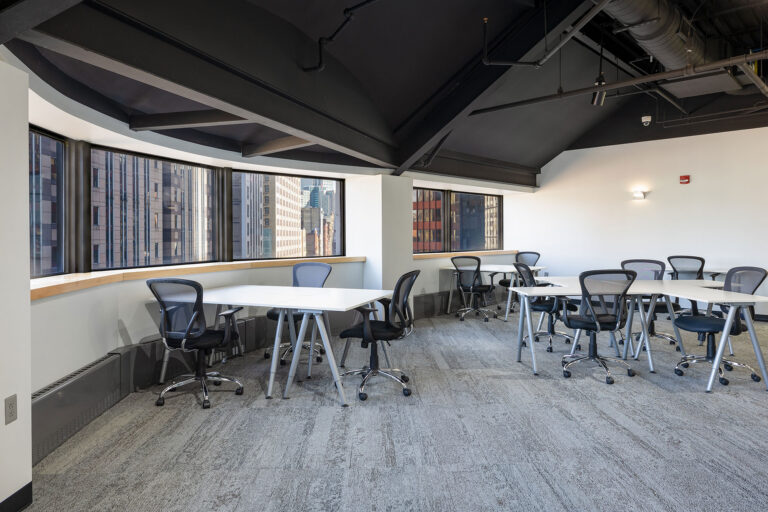
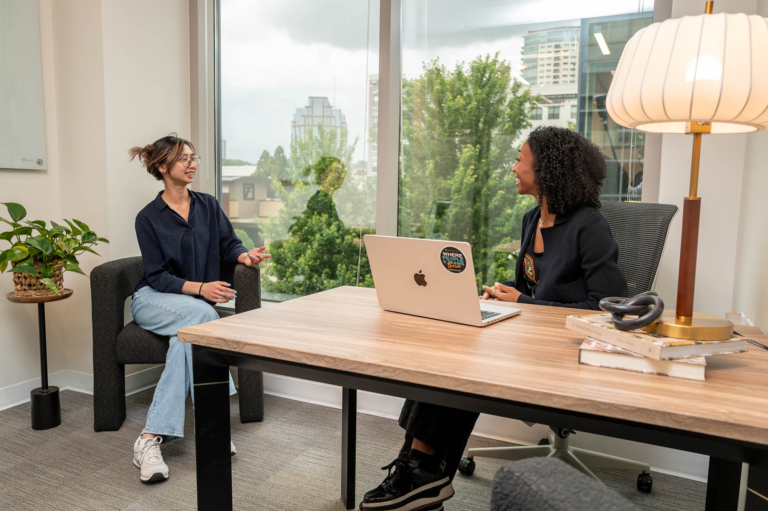
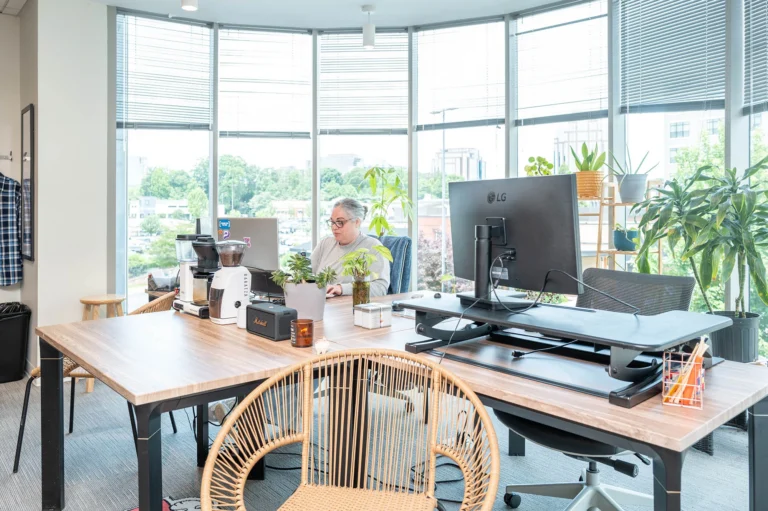
Private Offices vs. Open Coworking Space for Lawyers
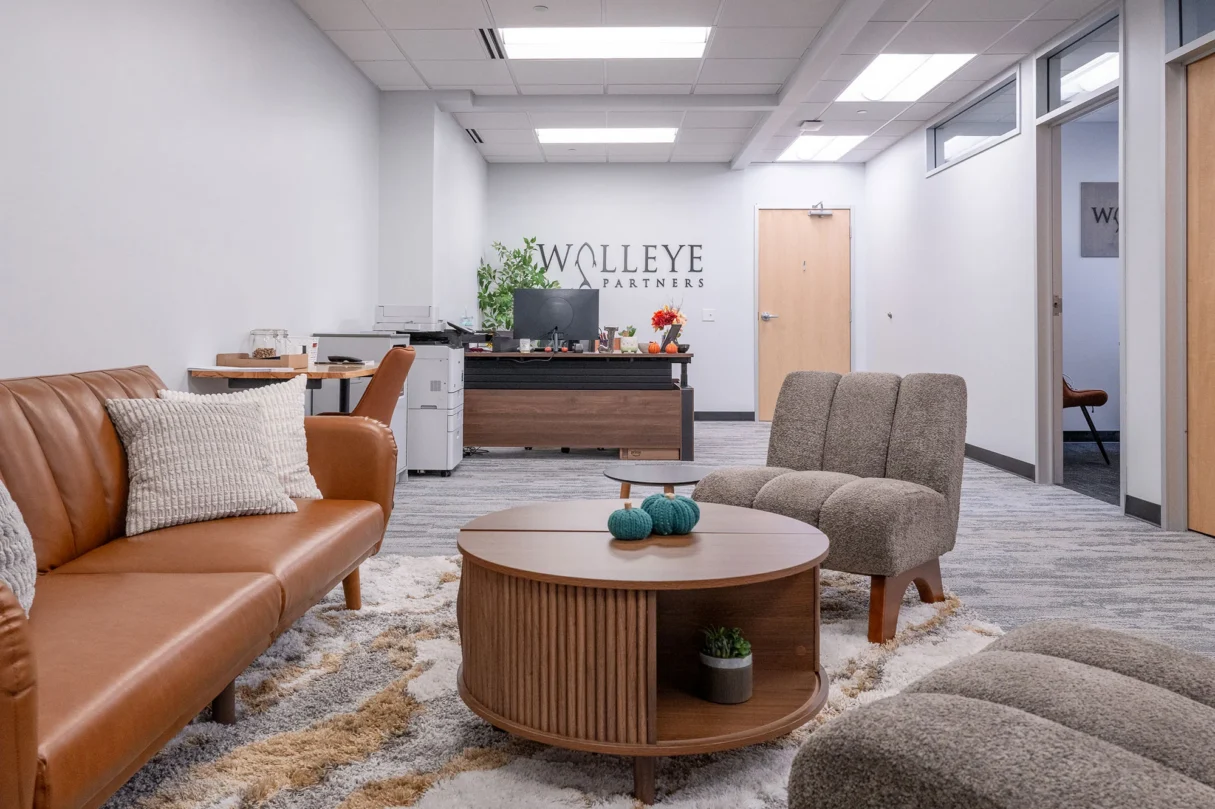
Not all flexible workspace is created equal, and for attorneys, understanding the distinction between a private office and an open coworking area is fundamental.
Open coworking environments, regardless of how well-designed, create significant confidentiality risks:
- Privileged conversations can be overheard by other members or visitors
- Case materials left on shared desks may be visible to anyone nearby
- There is no reliable way to control who is within earshot during sensitive calls or strategy discussions
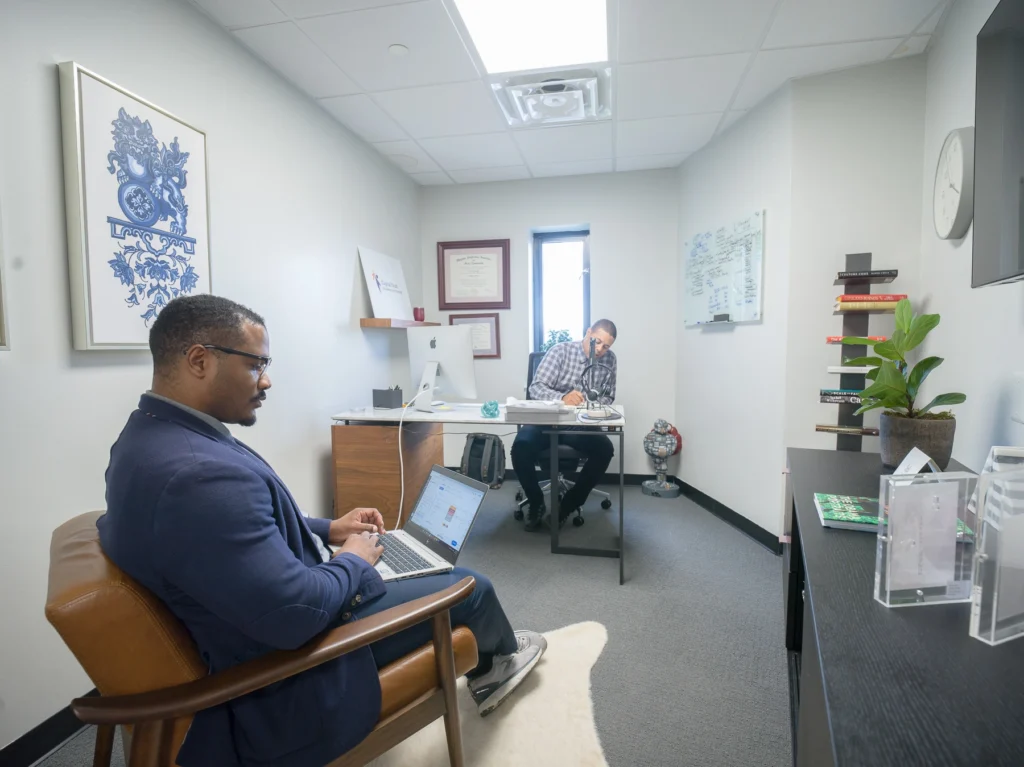
Private, fully enclosed offices, within a coworking space eliminate these risks by design. A private office space separated from communal zones gives attorneys the physical separation required for privileged work, case preparation, and client intake.
A private office also gives attorneys something traditional leases rarely provide: room to grow without committing to long term space they may not need yet. Many legal practices start with a single attorney and expand gradually as new clients arrive. Bringing on a paralegal, adding administrative support, or partnering with another attorney often requires additional space. Flexible private offices allow a practice to scale when the time is right rather than locking the firm into a multi year lease or forcing another disruptive move. Instead of guessing how large the practice may become, attorneys can expand their workspace as their caseload and team grow.
At Expansive, private offices are move-in ready, and designed for legal professionals who need focus and confidentiality. Whether you need a permanent private office or a private day office rental for occasional client meetings, the space is structured to support the confidentiality requirements of legal professionals.
Secure Internet and Network Standards for Private Offices within a Coworking Space for Lawyers
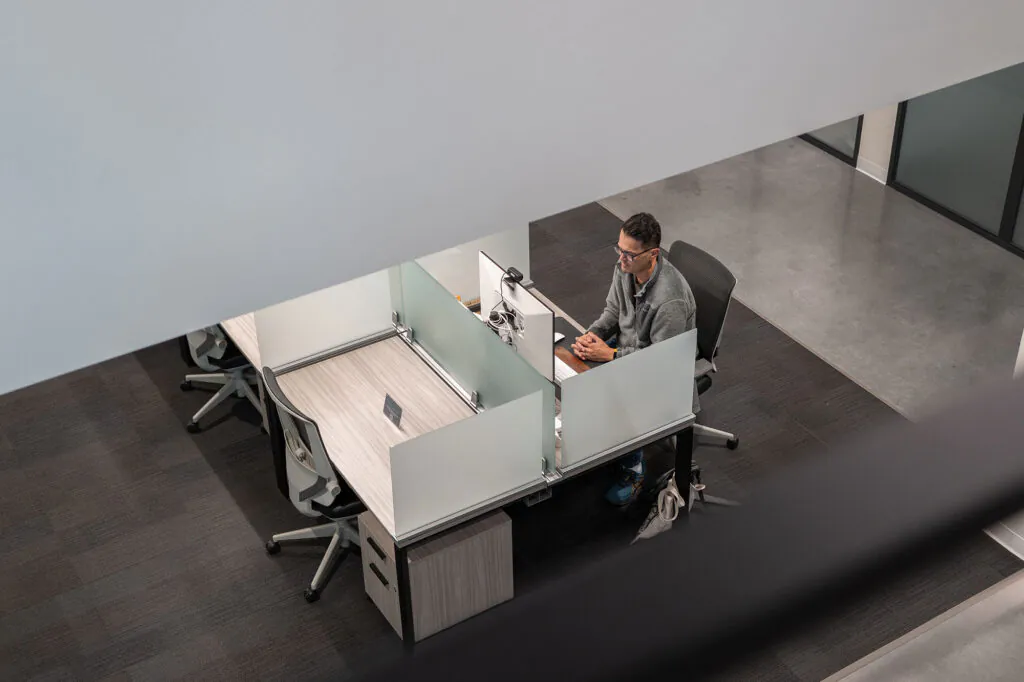
Confidential client communications and digital case files require more than just fast internet. They require a secure network environment that minimizes exposure at every point.
Shared or unsecured networks are one of the most overlooked risks in coworking environments.
When multiple businesses share the same network without proper segmentation, client communications, cloud-based case files, and privileged emails can all be vulnerable.
Before committing to any legal office space, confirm the following network safeguards are in place:
- Firewall protection and restricted administrative access
- Encrypted Wi-Fi with secure password policies
- Dedicated bandwidth options for high-volume or sensitive work
- Clear data security policies from the workspace provider
Expansive offers blazing-fast direct fiber internet and Wi-Fi across all locations, giving attorneys a reliable, professionally managed connection. If you require a hard-wired connection for added stability and security, that option is available as well. The right secure coworking environment treats network infrastructure as seriously as the physical space.
Private Meeting and Conference Room Access for Lawyers
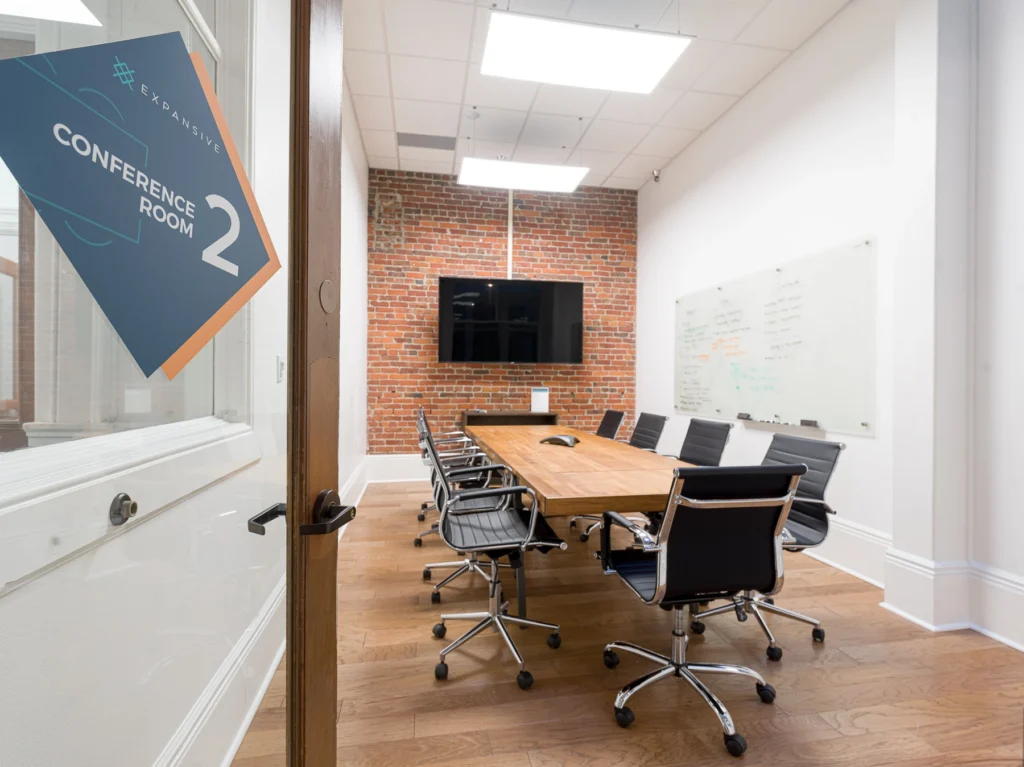
Client consultations, depositions, mediations, and negotiations all require enclosed, reservable meeting rooms. This is not a nice-to-have; it is an operational necessity.
Unreliable or limited conference room access creates real problems for attorneys:
- Client intake meetings get delayed or rescheduled
- Depositions require a neutral, controlled environment that open spaces cannot provide
- Time-sensitive negotiations or settlement discussions cannot be conducted in shared areas
Consistent access to professional meeting space directly protects both workflow and client retention. When a client arrives for a sensitive consultation and is greeted by a polished, private conference room, it reinforces confidence in your practice. When that room is unavailable or unprofessional, the opposite message is sent.
Expansive offers on-demand conference and huddle room options at most locations, bookable through the Expansive App. For attorneys who need space on a flexible basis, private day office rentals accommodating individuals or small teams of up to four are also available. This provides a turnkey solution for client meetings without requiring a long-term commitment.
Soundproofing and Noise Control for Private Offices Within a Coworking Space for Lawyers
Effective soundproofing is not a comfort feature. For attorneys, it is a compliance safeguard.
Inadequate sound control in a shared office environment can compromise privileged discussions and disrupt the focused work that legal drafting and research demand. The risk is not hypothetical. An overheard conversation in a shared hallway or a meeting room with thin walls can expose information that was never intended to leave the room.
When assessing any work environment, look specifically for:
- Insulated walls and sealed doors in private offices and meeting rooms.
- Physical separation of private offices from coworking lounge areas.
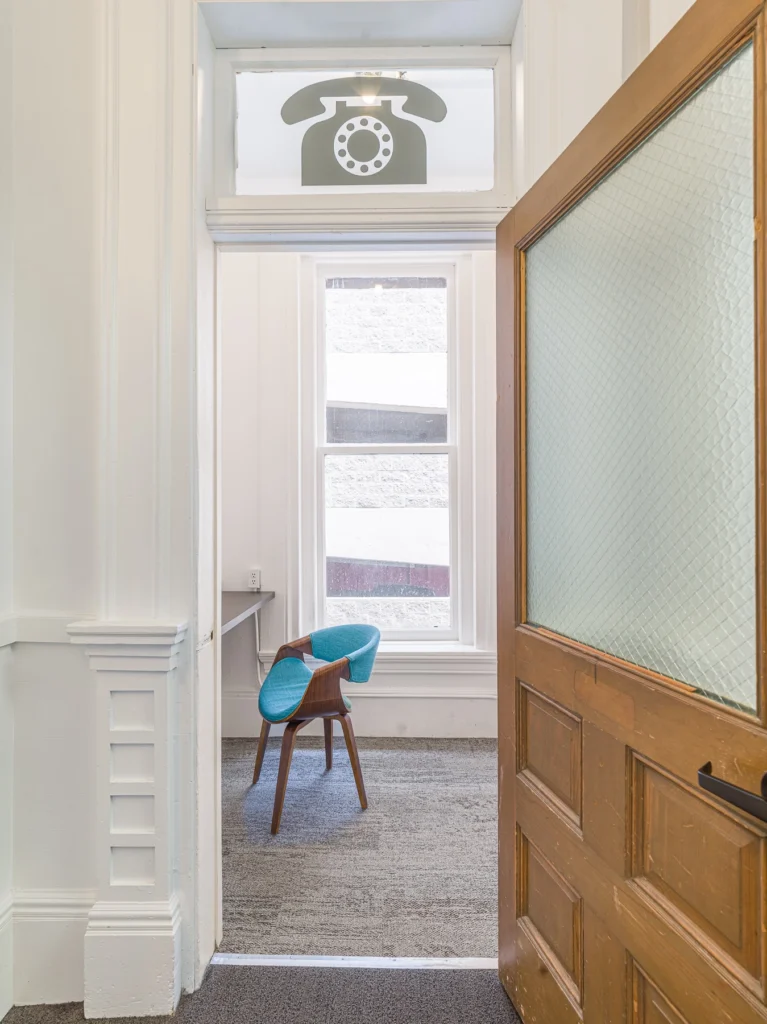
- Phone booths or enclosed call spaces for sensitive calls and video conferences.
Expansive locations are designed with these structural controls in mind. Private phone booths are available at many locations, offering enclosed spaces for calls and video meetings when you need another private meeting place outside of your office.
Location, Parking, and Client Accessibility Considerations
A lawyer office setup is only as practical as its location. Proximity to courthouses downtown, business districts, and transit corridors reduces travel time, protects billable hours, and simplifies scheduling for both attorneys and clients.
Practical accessibility factors to evaluate include:
- Proximity to courthouses, opposing counsel offices, and key client locations.
- Convenient parking within close distance of the building.
- Access to public transit for clients who do not drive.
- A credible, professional business address that holds up in client communications and on court filings.
A well-located workspace reduces scheduling friction and missed appointments, while a recognizable business address reinforces professional credibility when it appears on correspondence and legal documents.
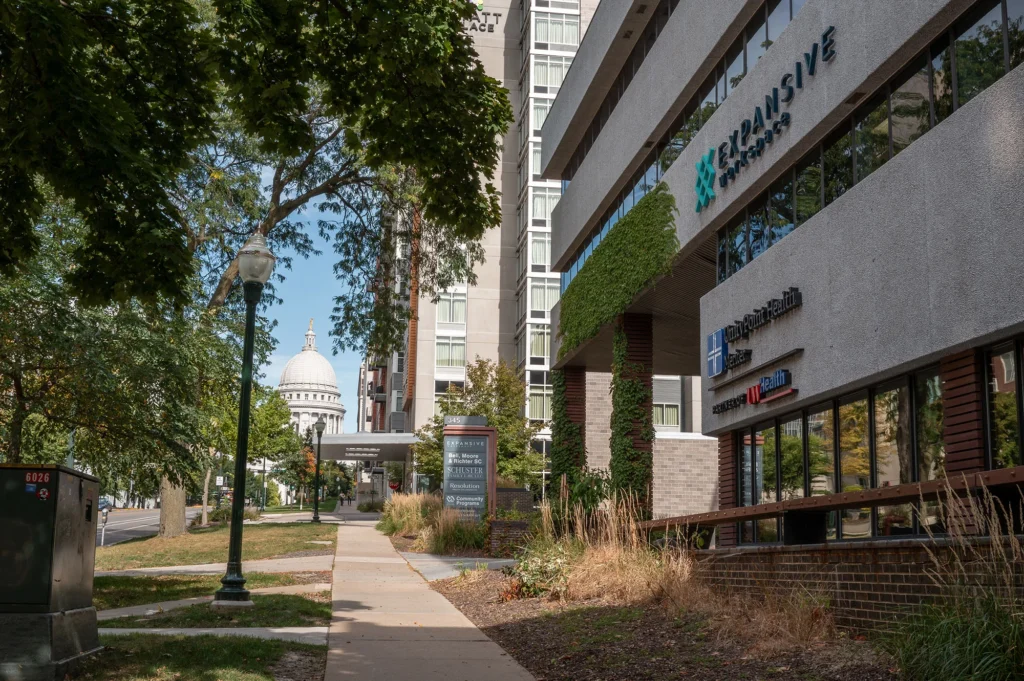
Expansive operates an extensive network of flexible workspace locations across major U.S. markets, including urban centers with direct proximity to key business and legal corridors. Many locations feature parking within one to two blocks, multiple transit options, and professional lobby environments that make a great right first impression.
Mail Handling and Document Security Controls
For attorneys, mail is not just correspondence. It includes court notices, filing deadlines, client materials, and evidence that requires careful handling from the moment it arrives.
Unstructured or unmonitored mail processes create serious risks:
- Missed filing deadlines due to delayed or misplaced notices
- Lost client materials or evidence that may be unrecoverable
- Regulatory penalties tied to improper handling of sensitive legal documents
Structured mail and document controls serve as deadline-protection infrastructure. Look for:
- Controlled mail access with documented handling procedures.
- Secure storage for legal correspondence and packages.
- Automated package notification so nothing is missed.
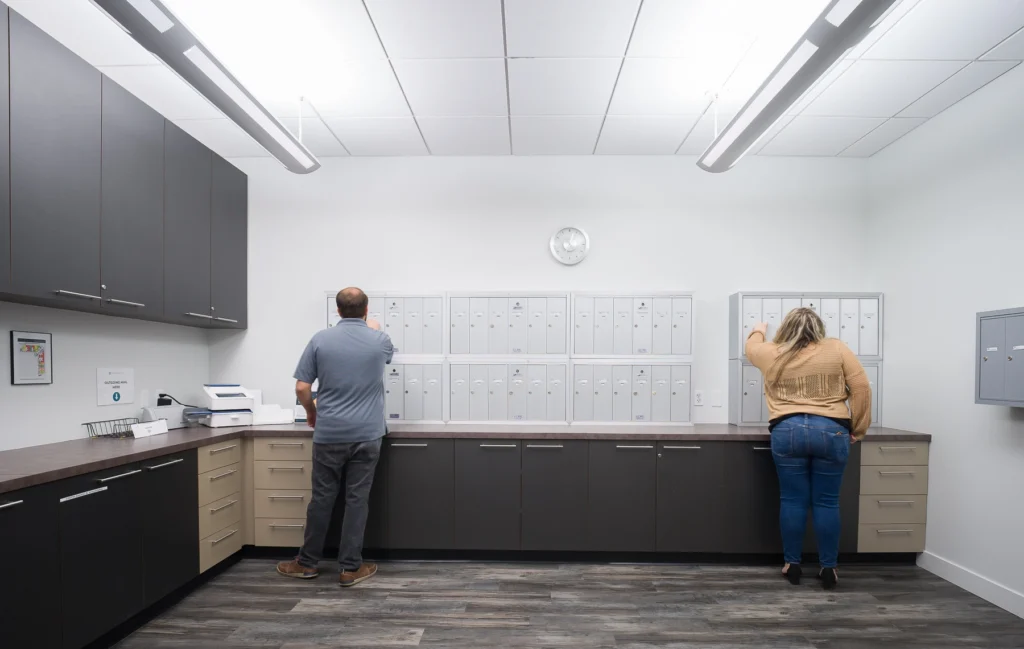
Expansive includes a business mailing address and automated package notification as an add-on service available at many locations. This gives attorneys a reliable process for receiving and managing court documents, client correspondence, and time-sensitive filings.
Questions? We’ve Got Answers
Are coworking spaces secure enough for legal work?
They can be, but only with the right infrastructure in place. Attorneys should confirm that the space offers private enclosed offices, secure managed networks, and controlled access before committing.
What privacy features should lawyers prioritize?
Fully enclosed private offices, soundproofed meeting rooms, and network security with firewall protection are the non-negotiables. Private phone booths for sensitive calls are a strong additional safeguard.
How important are meeting rooms for attorneys?
They are essential. Depositions, client consultations, and negotiations all require professional, enclosed, reservable space that cannot be substituted by open coworking areas.
What coworking features matter most for client experience?
A polished lobby, professional meeting rooms, easy parking and building access, and a branded office presence all contribute to the credibility clients expect when visiting their attorney.
Are shared amenities a risk or a benefit for law firms?
Shared amenities like lounges and kitchens are a benefit when they are separate from private work areas. The key is that communal spaces should not overlap with spaces where confidential work or client discussions take place.
Choose the Right Coworking Space for Lawyers
Selecting the right coworking space for lawyers starts with verifying privacy safeguards, secure connectivity, and controlled client environments before signing any agreement. The amenities matter, but they are secondary to the infrastructure that protects your legal practice.
Private offices, secure networks, sound control, and professional meeting room access work together as a system. When any one of those elements is missing, the others cannot fully compensate.
Before committing to a space, build a clear evaluation checklist based on your legal-specific requirements. Then verify each item in person.
Ready to see what the right workspace looks like? Schedule a tour at your nearest Expansive location to confirm that the space meets your confidentiality, security, and professional standards before you commit.